
Introduction
Magsaysay, a municipality in the Cuyo Archipelago of Palawan, is home to just over 12,600 people. Far from the busy tourist centers of El Nido or Coron, Magsaysay offers something different: an authentic look into cultural life shaped by Cuyonon traditions. The community’s festivals, dances, and music are not just entertainment but a living expression of heritage.
Palawan is often nicknamed the “Last Frontier,” celebrated globally for natural wonders like the Puerto Princesa Underground River and Tubbataha Reef. Yet in towns like Magsaysay, the frontier is also cultural. Here, festivals and dances preserve memory, strengthen identity, and connect younger generations to the rhythms of their ancestors.
The Cuyonon Cultural Identity
The Cuyonon people, considered among the earliest settlers of Palawan, have a strong presence in the Cuyo Archipelago. They are known for their discipline, deep Catholic faith, and structured community life. In Magsaysay, their traditions remain visible in daily routines, social gatherings, and artistic expressions.
Language, song, and dance serve as the foundations of Cuyonon identity. These cultural elements reinforce respect for family, faith, and community. For visitors, engaging with these traditions provides a meaningful window into the lives of people who have thrived for centuries on small islands scattered across Palawan’s seas.
Festivals in Magsaysay
Festivals in Magsaysay are rooted in both religion and community life. Catholic celebrations such as fiestas honor patron saints and bring entire barangays together. These events often include processions, novenas, and communal feasts where families open their homes to neighbors and guests.
Cultural showcases are another highlight of local festivals. Residents dress in traditional attire, stage performances of Cuyonon dances, and sing folk songs that tell stories of faith, work, and courtship. These performances are not staged for commercial tourism but are sincere expressions of identity and gratitude.
While specific festival dates vary across villages, they often coincide with harvest periods or religious calendars, ensuring that celebrations remain tied to both livelihood and faith.
Traditional Dances of the Cuyonon
Dance is one of the most vivid ways Magsaysay preserves its Cuyonon heritage. Performances often blend indigenous movement with Hispanic influence from centuries of Spanish colonization. These dances are passed down through generations, performed at community gatherings, weddings, and fiestas.
- Lubi-Lubi Dance: Inspired by coconut farming, this dance uses gestures to mimic planting and harvesting. It reflects how livelihoods become art.
- Panglima or Courtship Dances: These dances tell stories of romance, with graceful movements symbolizing admiration, respect, and playful interaction.
- Harvest Dances: Performed during times of agricultural abundance, these dances celebrate gratitude and unity within the community.
Accompanied by native instruments such as drums or improvised percussion, these dances are powerful in their simplicity, embodying both joy and resilience.
Music and Oral Tradition
Music in Magsaysay carries both entertainment and educational value. Folk songs in the Cuyonon language often contain lessons or stories. Children learn these from elders, ensuring the survival of oral traditions. Singing also plays a role in religious celebrations, blending faith with artistry.
Community gatherings feature instruments made from bamboo or locally available materials. Rhythms are simple but memorable, inviting both participants and onlookers to join in. For visitors, these moments offer a chance not only to watch but also to connect with the cultural heartbeat of the town.
Fun Fact: Palawan as the “Last Frontier”
Palawan’s title as the “Last Frontier” is usually tied to its natural wonders, but towns like Magsaysay show how this frontier is cultural too. By continuing to practice Cuyonon festivals and dances, Magsaysay preserves traditions that might otherwise fade under the pressures of modernization. This living heritage ensures that Palawan is not only a sanctuary for biodiversity but also for cultural diversity.
Food, Markets, and Hospitality
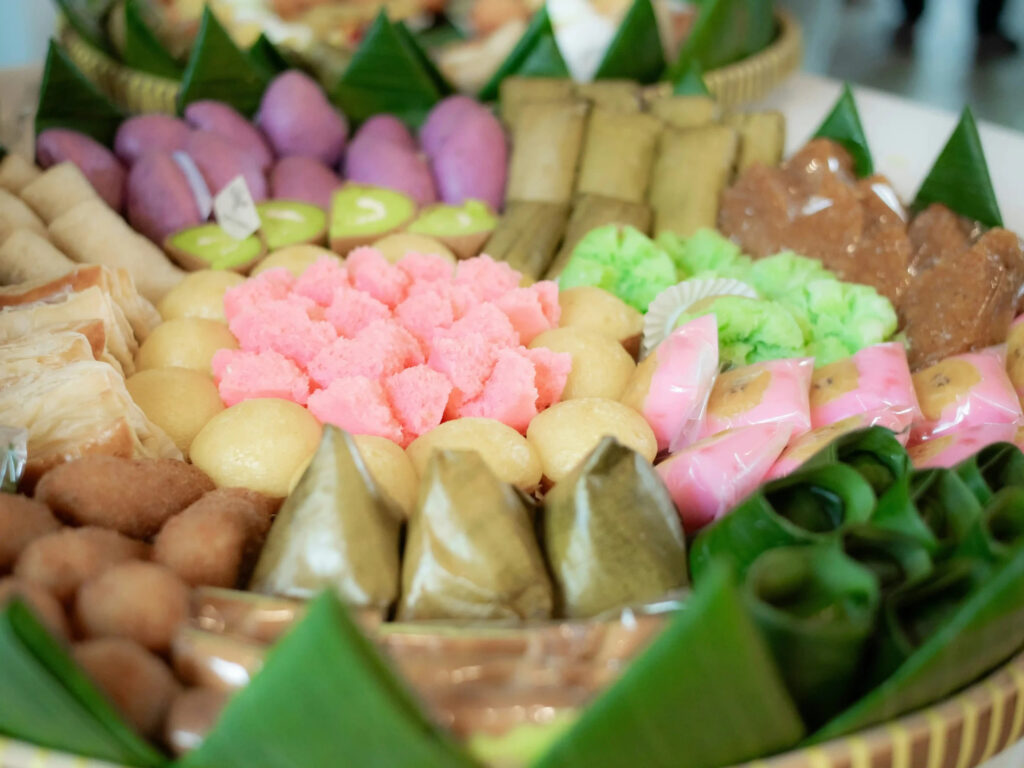
Festivals in Magsaysay are as much about food as they are about music and dance. Households prepare lechon (roast pig), rice cakes, and seafood dishes that highlight local resources. Coconut-based stews, grilled fish, and seasonal fruits fill communal tables. Visitors are often welcomed to share meals, reflecting the Cuyonon spirit of hospitality.
Outside of festivals, the town’s market is a daily hub where fish, rice, and vegetables are traded. During celebrations, it becomes a center of preparation and energy, buzzing with people buying ingredients and supplies for communal feasts.
How to Get There & Around
Magsaysay is part of the Cuyo Archipelago, located in the Sulu Sea between Palawan and Panay. Access usually involves sea travel, with boats connecting the islands to Puerto Princesa and Iloilo. Travel times can be long, ranging from several hours to overnight journeys, and are dependent on weather conditions.
Within the town, tricycles and small motorcycles are the main forms of transport. Most festival venues, however, are within walking distance, making it easy for visitors to immerse themselves in the celebrations.
Best Time to Visit & Weather
The best time to visit Magsaysay is during the dry season from December to May, when seas are calmer and festivals often take place. Average temperatures range from 26°C to 32°C during these months. The rainy season from June to November brings rougher seas and possible delays in boat travel, but it also enriches the agricultural landscape.
Travelers who wish to experience festivals should inquire locally about specific dates, as many events are tied to religious calendars or community decisions.
Responsible Travel in Magsaysay
Respect is crucial when engaging with cultural practices. Visitors should:
- Ask permission before photographing dances or ceremonies.
- Dress modestly, especially during religious events.
- Support local economies by buying crafts or food directly from vendors.
- Use reusable bottles and minimize waste to avoid straining the island’s limited resources.
By practicing these habits, travelers help ensure that tourism supports rather than disrupts local traditions.
Conclusion
Magsaysay may not appear on the typical Palawan itinerary, but its festivals and dances are treasures of cultural heritage. The Cuyonon traditions of music, movement, and celebration bring people together, strengthening identity and passing values to future generations. For travelers who seek authenticity, Magsaysay offers not only performances to watch but also communities to connect with.
Visiting here is a reminder that Palawan’s richness lies not only in its reefs and rivers but also in its people, whose traditions remain alive and strong.
Subscribe to our newsletter and get weekly updates on our blogs!