Introduction
Mandaue City, located in the heart of Cebu Island with a population of 364,116, is a dynamic urban center that has grown from a small settlement into one of the Philippines’ most industrialized and modernized cities. While Cebu is celebrated as the birthplace of Christianity in the Philippines, Mandaue has carved its own distinct identity as a hub of commerce, manufacturing, and cultural heritage. Today, it stands as a city that carefully balances modernization with traditions that have been passed down for generations.
Historical Roots and Cultural Identity
Mandaue’s growth cannot be understood without looking at its past. Known historically as a settlement for native traders and craftsmen, the city gained prominence during the Spanish colonial period. Its strategic location near the Mactan Channel made it an essential area for trade and shipbuilding. Over time, Mandaue developed into an industrial powerhouse, but its people have preserved cultural practices such as religious festivals and traditional crafts.
The annual Panagtagbo Festival, which honors the Santo Niño, highlights the city’s enduring devotion and its link to Cebu’s larger Christian history. Such traditions remind locals and visitors that Mandaue’s modernization does not erase its cultural identity, but instead coexists alongside it.
Industrial Growth and Economic Powerhouse
Today, Mandaue is home to a wide range of industries including furniture-making, food processing, shipping, and manufacturing. It has earned the title “Industrial City of the South,” reflecting its role in Cebu’s economy. Major multinational companies have established factories and offices here, creating jobs and opportunities for locals.
Modern business hubs and shopping centers have also risen across the city, showcasing its rapid urban development. Yet, what makes Mandaue unique is its ability to integrate progress with traditional industries such as furniture craftsmanship, a skill for which the city remains famous.
Urbanization and Infrastructure Development
As Mandaue expands, infrastructure projects play a vital role in shaping its modernization. Roads, bridges, and transport terminals connect the city to Cebu City, Lapu-Lapu City, and the wider island. The Marcelo Fernan Bridge and Mandaue-Mactan Bridge highlight the city’s importance as a link between Cebu and Mactan, where the international airport is located.
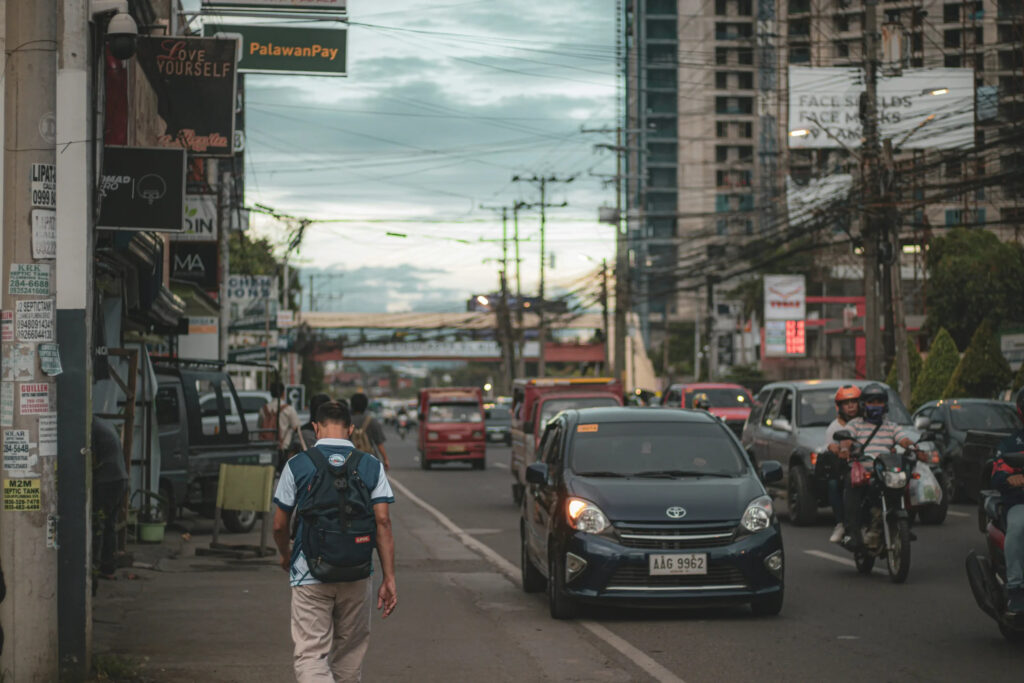
Urban growth has led to the rise of residential communities, business parks, and commercial complexes. However, this development also comes with challenges such as traffic congestion and environmental concerns, which the city continues to address through urban planning and sustainable development initiatives.
Balancing Tradition with Progress
Despite being highly urbanized, Mandaue holds on to its traditions. Local communities celebrate fiestas, maintain strong family ties, and support traditional crafts. Street markets and local eateries thrive alongside modern shopping centers, reflecting how heritage and modernization intertwine.
One striking example is the preservation of religious sites such as Mandaue City’s National Shrine of St. Joseph, which stands near the bustling city center. These landmarks serve as reminders of the city’s deep-rooted faith, even as skyscrapers rise nearby.
Local Insights: Food and Community Life
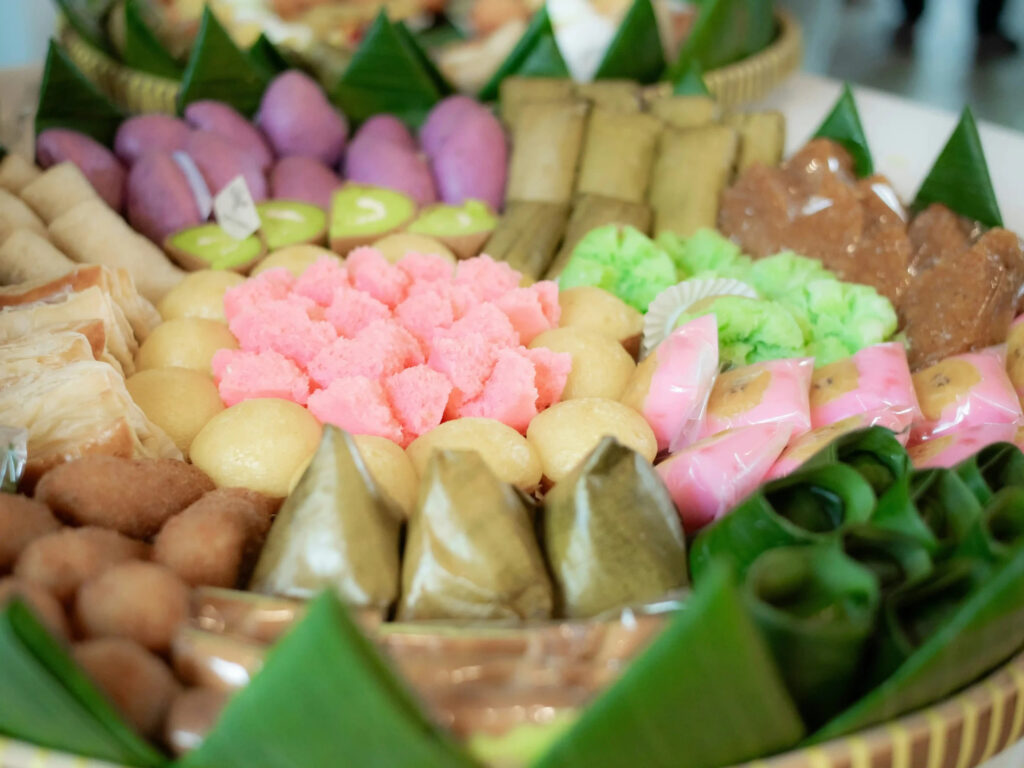
Mandaue is not only about industry and infrastructure; it is also about flavors and community. The city is known for delicacies such as masareal (a sweet made of ground peanuts and sugar) and bibingka (rice cake often enjoyed during Christmas season). Carinderias and eateries offer home-cooked meals that provide a taste of local Cebuano hospitality.
Markets remain essential in daily life, where locals buy fresh produce, seafood, and handcrafted items. These small details show that while Mandaue is modernizing, its people stay connected to traditional lifestyles.
How to Get There & Around
Mandaue is accessible via Mactan-Cebu International Airport, just 15–20 minutes away by car. From Cebu City, jeepneys, buses, and taxis regularly travel into Mandaue. The city’s central location makes it a convenient stop for anyone exploring Cebu Island, especially as it connects Cebu City and Mactan Island.
Within the city, public transport such as jeepneys and tricycles remain common, while taxis and ride-hailing apps provide more comfort. Travelers who plan to visit different parts of Cebu often pass through Mandaue, making it a strategic hub.
Mandaue’s busy streets and growing business hubs are best explored at your own pace. Skip the traffic stress by booking a scooter at CebuBikeRent.com, where you can move freely between Cebu City, Mactan, and beyond without hassle.
Best Time to Visit & Weather
Like much of Cebu, Mandaue experiences a tropical climate with temperatures averaging 27–32°C. The best time to visit is during the dry season from December to May, when festivals and cultural events are at their peak. June to November brings the rainy season, which can lead to occasional flooding in low-lying areas, so travelers should plan accordingly.
Conclusion
Mandaue City is a place where industry and tradition meet. It is a city that symbolizes Cebu’s rapid modernization while keeping its roots alive through festivals, crafts, and food. Travelers who wish to see a different side of Cebu-beyond beaches and churches-will find Mandaue’s blend of commerce, culture, and community life a meaningful experience.
Whether you are visiting for business or leisure, Mandaue offers an authentic view of how a Philippine city can embrace progress without losing its cultural soul.
Subscribe to our newsletter and get weekly updates on our blogs!