Introduction
In the Philippines, rice is far more than a side dish. It is the centerpiece of nearly every meal and a symbol of sustenance, culture, and tradition. From breakfast tapsilog to hearty stews like adobo and kare-kare, rice provides the foundation that ties Filipino cuisine together. Understanding why rice holds such an essential place in Filipino food culture requires looking at its history, social significance, and economic role, as well as how it shapes everyday life.
The Historical Roots of Rice in the Philippines
Rice cultivation in the Philippines goes back thousands of years, long before Spanish colonization. Indigenous communities mastered terraced farming in mountainous regions such as the Cordillera, creating the iconic Banaue Rice Terraces, often called the “Eighth Wonder of the World.” These terraces are not only a feat of engineering but also a testament to the deep bond between Filipinos and rice.
When the Spanish arrived in the 1500s, they reinforced rice’s place in the Filipino diet by integrating it into colonial systems of trade and taxation. To this day, rice is tied to cultural survival and national identity. It is more than a crop; it is a way of life that reflects resilience and continuity.
Rice as a Daily Essential
In Filipino households, rice is present at breakfast, lunch, and dinner. The phrase “hindi kumpleto ang pagkain kung walang kanin” (a meal is not complete without rice) reflects this deep dependency. Even when main dishes are abundant, the absence of rice makes the table feel incomplete.
This cultural norm also shapes portioning and balance. A small serving of meat, fish, or vegetables is often stretched to feed an entire family because rice provides the bulk of the meal. It is practical, filling, and affordable, making it indispensable across income levels.
Lifestyle and Social Traditions Around Rice
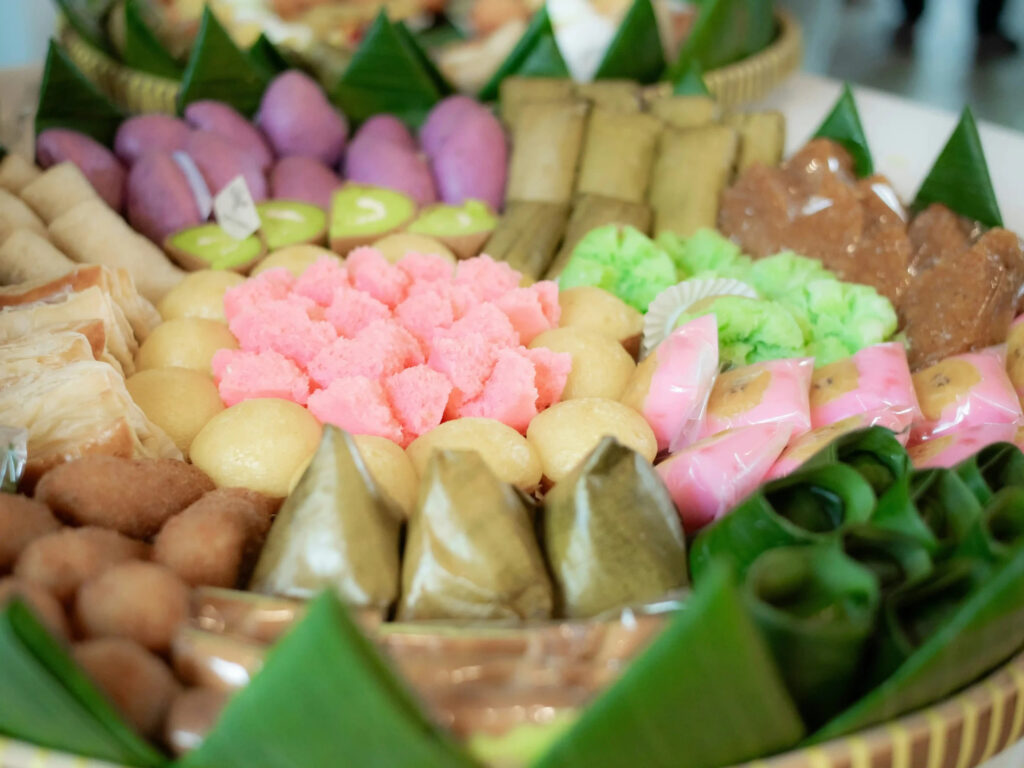
Rice is woven into Filipino traditions beyond the dinner table. During fiestas, weddings, and community gatherings, it is common to see elaborate rice dishes such as bibingka, puto, or suman. These desserts and snacks highlight rice’s versatility, showing that it is not confined to savory meals.
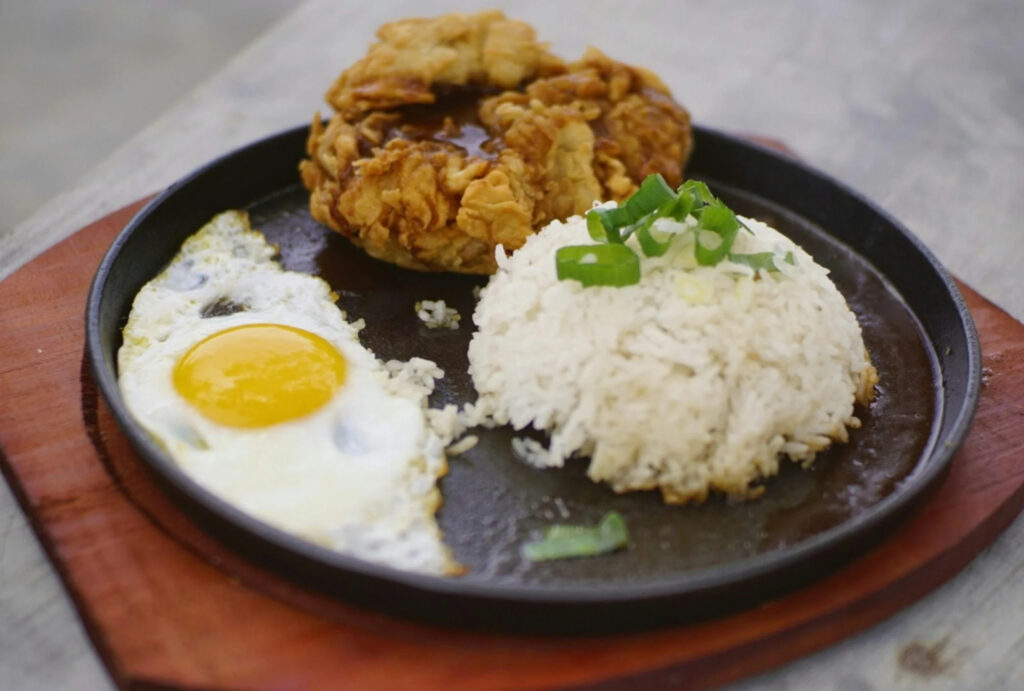
Street food culture also relies on rice. From tapsilog and tosilog breakfast plates to rice meals served at carinderias (local eateries), rice anchors the Filipino diet. Even modern fast-food chains in the Philippines, including global brands, adapt their menus to feature rice meals, a practice not common in Western countries.
Financial and Practical Considerations
Economically, rice is both a strength and a challenge for the Philippines. As the staple food, it drives agricultural policy and shapes household spending. Rice subsidies and imports are recurring national discussions, as shortages or price hikes directly affect millions of families.
On a personal level, rice remains one of the most affordable ways to ensure a filling meal. While meat and fish can be costly, rice stretches resources by making even modest portions satisfying. This practicality explains why Filipinos prefer rice over bread, pasta, or potatoes, which dominate in Western diets.
Rice vs. Western Staples: A Cultural Comparison
Comparing rice to bread and potatoes reveals broader cultural differences. In Western households, bread often serves as the default base for meals, from sandwiches to breakfast toasts. Potatoes, whether mashed, baked, or fried, provide comfort and variety.
Filipino meals, however, revolve around rice because it pairs seamlessly with bold flavors. Dishes like sinigang or sisig would feel incomplete without steamed rice to balance the richness or sourness. This contrast illustrates how geography, agriculture, and tradition dictate culinary foundations.
Practical Tips for Experiencing Rice Culture
- When visiting the Philippines: Try different varieties of rice, from fragrant jasmine to sticky malagkit used in desserts.
- In Cebu and beyond: Do not miss puso, rice cooked in woven palm leaves, often paired with grilled meats.
- At fiestas: Sample rice-based kakanin such as bibingka and puto bumbong during Christmas season.
- For expats: Expect rice to be central in daily dining and learn to appreciate its role as both comfort and practicality.
Conclusion
Rice is not just food in the Philippines; it is identity, history, and survival. It shapes traditions, stretches family meals, and connects generations through shared flavors and rituals. To understand Filipino food culture, one must first understand rice. For visitors and expats alike, embracing rice as the centerpiece of every meal offers not only nourishment but also a gateway into the heart of Filipino life.
Subscribe to our newsletter and get weekly updates on our blogs!