Introduction
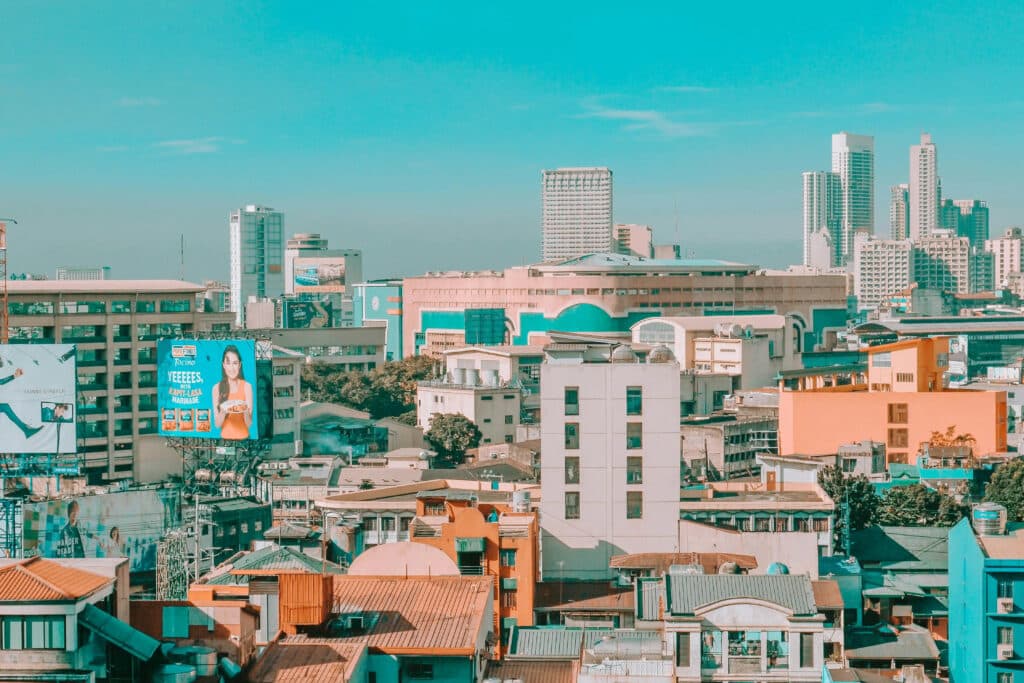
Zamboanga City, located on the southwestern tip of Mindanao, is a vibrant urban center with a population of 977,234. Known as Asia’s Latin City, Zamboanga stands out in the Philippines and in Asia for its language, culture, and heritage. The city is home to Chavacano, the only Spanish-based Creole language in the region, a living reminder of centuries of colonial influence and cultural blending. While Mindanao is also celebrated for natural icons like Mount Apo, the highest peak in the Philippines, and the Philippine eagle, one of the world’s largest raptors, Zamboanga shines for its distinct identity. It is a city where history, language, and traditions converge to form a cultural mosaic unlike anywhere else in the country.
The Origins of Asia’s Latin City
Zamboanga earned its title because of Chavacano, a language with deep Spanish roots. Developed during the Spanish colonial period, Chavacano emerged as a lingua franca between Spanish colonizers and local communities, blending Spanish vocabulary with native grammar and expressions. Today, it remains the most widely spoken Spanish-based Creole in Asia, with tens of thousands of Zamboangueños using it in daily life, schools, and media.
The language gives Zamboanga its unique identity, setting it apart from other Philippine cities. Walking through its streets, one can hear phrases that sound remarkably close to Spanish yet infused with local flavor. This linguistic heritage also reflects resilience, as Chavacano survived the decline of Spanish in the Philippines and continues to be a marker of pride for residents.
Cultural Heritage and Traditions
Beyond its language, Zamboanga’s cultural life is a blend of influences. Spanish colonial legacies are visible in its architecture, festivals, and traditions, but these coexist with indigenous and Muslim cultural expressions. The result is a city where diversity thrives and traditions are celebrated together.
The Fiesta Pilar, held every October, is the city’s most prominent celebration. Dedicated to Our Lady of the Pillar, the patroness of Zamboanga, it combines religious devotion with colorful parades, street dances, and cultural performances. Pilgrims and visitors gather at Fort Pilar Shrine, reinforcing the city’s Catholic traditions while embracing its multicultural identity.
Handwoven products from local artisans, such as the Yakan weavers from Basilan, also highlight the city’s cultural wealth. Their intricate textiles, with bold patterns and bright colors, are sold in markets and cultural centers, offering visitors authentic souvenirs tied to the community’s heritage.
Attractions in Zamboanga City
Zamboanga City offers a mix of historical landmarks, cultural hubs, and natural beauty:
- Fort Pilar – Built in the 17th century, this Spanish-era fortress is both a historical site and a religious shrine. It symbolizes the city’s colonial past and religious devotion.
- Paseo del Mar – A waterfront park that captures the city’s relaxed seaside charm, perfect for evening strolls.
- Zamboanga City Hall – An iconic government building constructed during the American period, showcasing colonial architecture.
- Santa Cruz Islands – Famous for their pink sand beaches, these islands provide a natural escape just a short boat ride away.
- Yakan Weaving Village – A cultural destination where visitors can see traditional weaving techniques and purchase handmade textiles.
These attractions reflect the city’s balance between honoring its past and embracing its natural environment.
Everyday Life and Food Culture
Life in Zamboanga City is shaped by its cultural diversity and strong sense of community. The markets are lively, filled with seafood, tropical fruits, and local delicacies. Food culture here carries Spanish influences blended with Filipino and Muslim traditions.
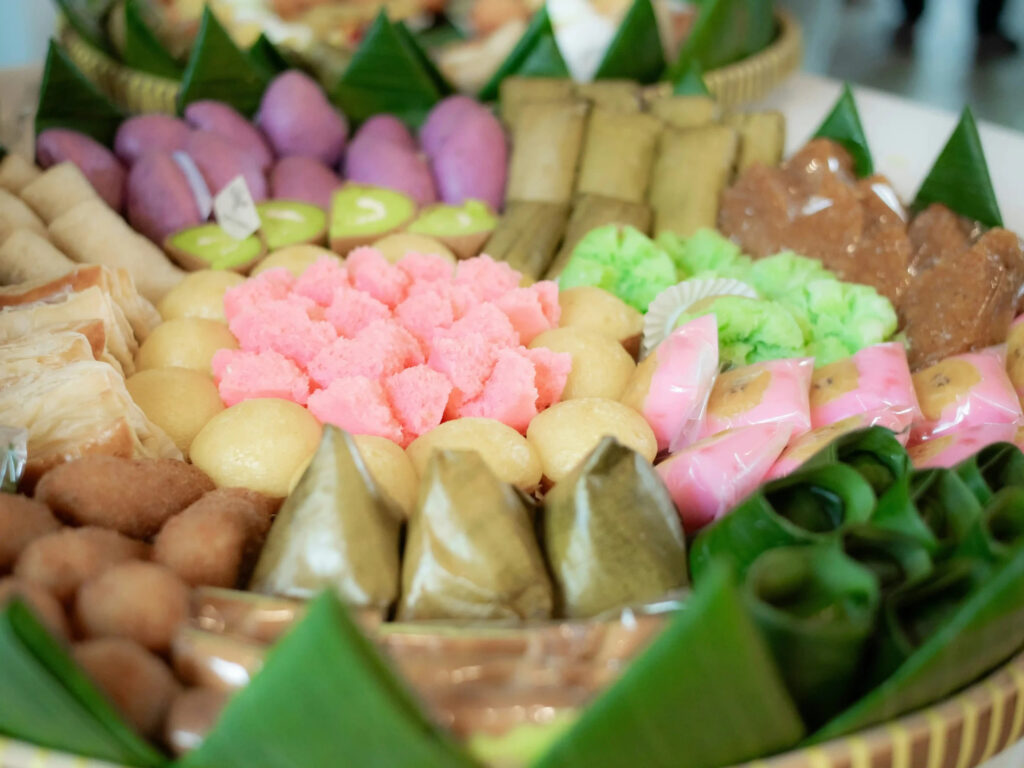
Popular dishes include curacha, a type of spanner crab often served with Alavar sauce, and satti, skewered meat in spicy sauce typically eaten for breakfast. Fresh seafood, often grilled or cooked with coconut milk, is abundant and affordable, reflecting the city’s coastal location. For dessert, Zamboanga offers sweet treats like pastil and baulo, alongside Spanish-inspired pastries.
Dining in Zamboanga is an experience of history and geography combined, where each dish tells a story of influences and adaptations.
How to Get There & Around
Zamboanga City is accessible by air through Zamboanga International Airport, with regular flights from Manila, Cebu, and Davao. Overland, buses connect the city to other parts of Mindanao, though travel times can be long due to distance. The port also links Zamboanga to nearby islands and provinces, with ferries serving Basilan, Sulu, and Tawi-Tawi.
Within the city, jeepneys and tricycles are the primary means of transport. Taxis and ride-hailing services are available, though less common than in larger cities like Davao or Cebu. For visiting attractions outside the city center, hiring a van or arranging a local guide ensures convenience.
Best Time to Visit & Weather
The best time to visit Zamboanga is during the Fiesta Pilar in October, when the city bursts with color, music, and cultural activities. However, travelers seeking natural attractions may prefer the dry months from December to May, when the pink sands of Santa Cruz Islands and the city’s coastal sites are most accessible.
Zamboanga has a tropical climate, with average temperatures ranging from 27–32°C. The rainy season from June to November brings heavier showers, so planning trips to islands and beaches is best done during the dry season.
Responsible Travel in Zamboanga
Travelers are encouraged to approach Zamboanga with respect for its diverse cultures. When visiting religious sites like Fort Pilar Shrine, modest attire and quiet behavior are expected. Supporting local artisans, particularly the Yakan and other weaving communities, helps sustain traditional crafts.
Minimizing plastic waste, respecting local customs, and engaging politely with residents contribute to positive interactions. In markets and public spaces, a few words of Chavacano-such as “gracias” for thank you-are often met with warm smiles.
Conclusion
Zamboanga City’s title as Asia’s Latin City is well deserved. Through its Chavacano language, Spanish-influenced traditions, and multicultural community, the city offers an experience unlike any other in the Philippines. Visitors encounter a place where colonial legacies live on in harmony with indigenous and Muslim traditions, creating a rich cultural tapestry. From historical sites and pink sand beaches to local dishes and festivals, Zamboanga is a city that celebrates both its past and its present. For travelers seeking a destination that is unique, vibrant, and deeply rooted in heritage, Zamboanga City is a journey worth making.
Subscribe to our newsletter and get weekly updates on our blogs!